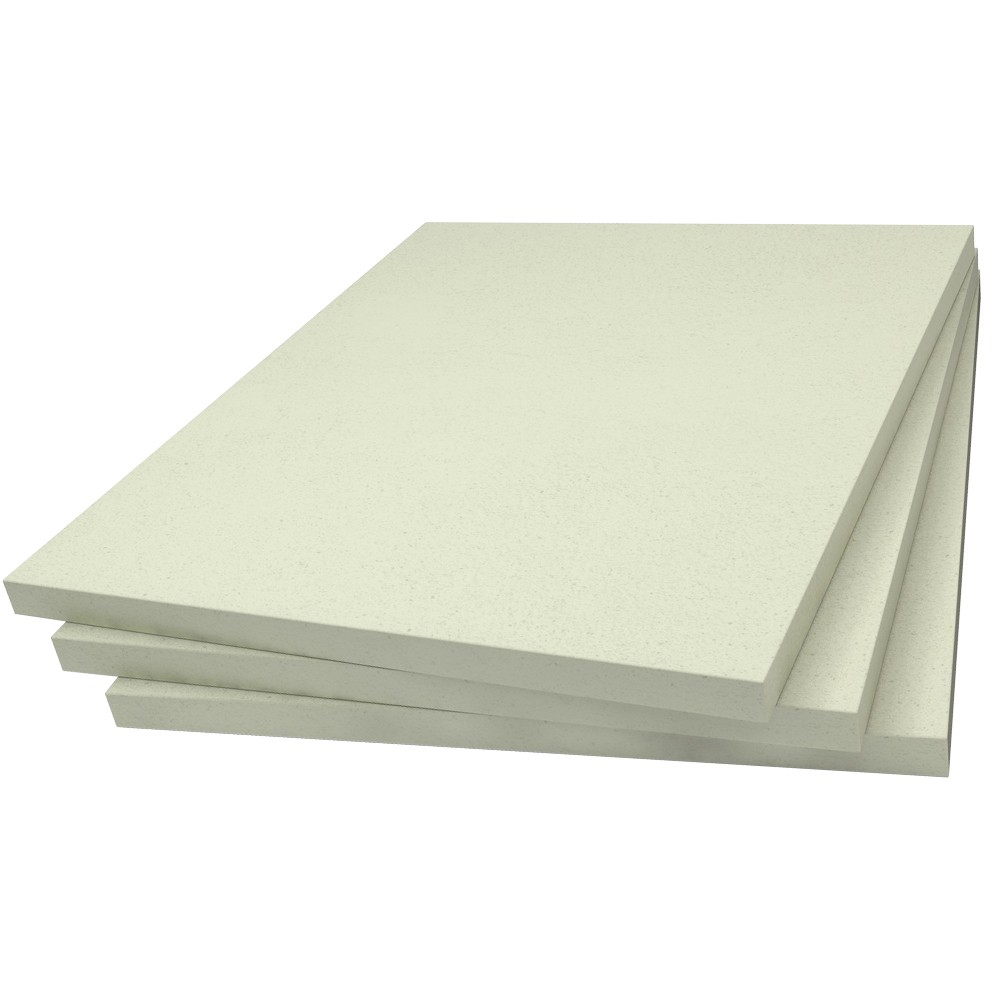
During the repair of a workshop furnace, a rigid ceramic fibre board should correspond to the specific function of the layer. Not every furnace component is insulation and not every one can be replaced with a sheet. Start with the device model, the original part material, and the method of its installation.
Collect data before removal
Photograph the layout, corners, and support points cold. Record the thickness and required spaces near adjacent elements. The damaged part may not show the original dimension, so compare the measurement with documentation and an undamaged area.
Ceramic Fibre Board is a rigid insulation board with resistance up to 1260°C in the described applications. The selection also includes support and securing of the material. The temperature limit does not specify the load capacity of every chamber component.
Maintain the role of adjacent layers
Dense firebricks have different mechanical and thermal properties. Changing the material may affect the device's operation. The choice should reproduce the required layout, not just fill the space with a similar dimension.
Ceramic Fibre Adhesive is used for the described connections of compatible insulation with the substrate. Adhesive does not automatically replace all shields or supports. Check the geometry, fastening, and documented range for the specific furnace part.
Check the installation before startup
Dry-fit the component while cold and maintain the required access for handling. The fibres should remain protected according to the solution, including at the edges. When cutting, follow the requirements of the product safety card and properly prepare the work area.
Record the board, thickness, location, and connection products. Include material preparation and device inspection before returning to furnace use. The next assessment will be based on the known layer, rather than on a part with an undetermined name, covered by residues of various materials.