A new pizza oven is not ready for intensive firing merely because the masonry stands firmly. Wet-applied materials must set, retained moisture must be removed, and initial heating must follow the complete oven's instructions. Cool, damp conditions can extend these stages.
Gather the requirements for every wet layer
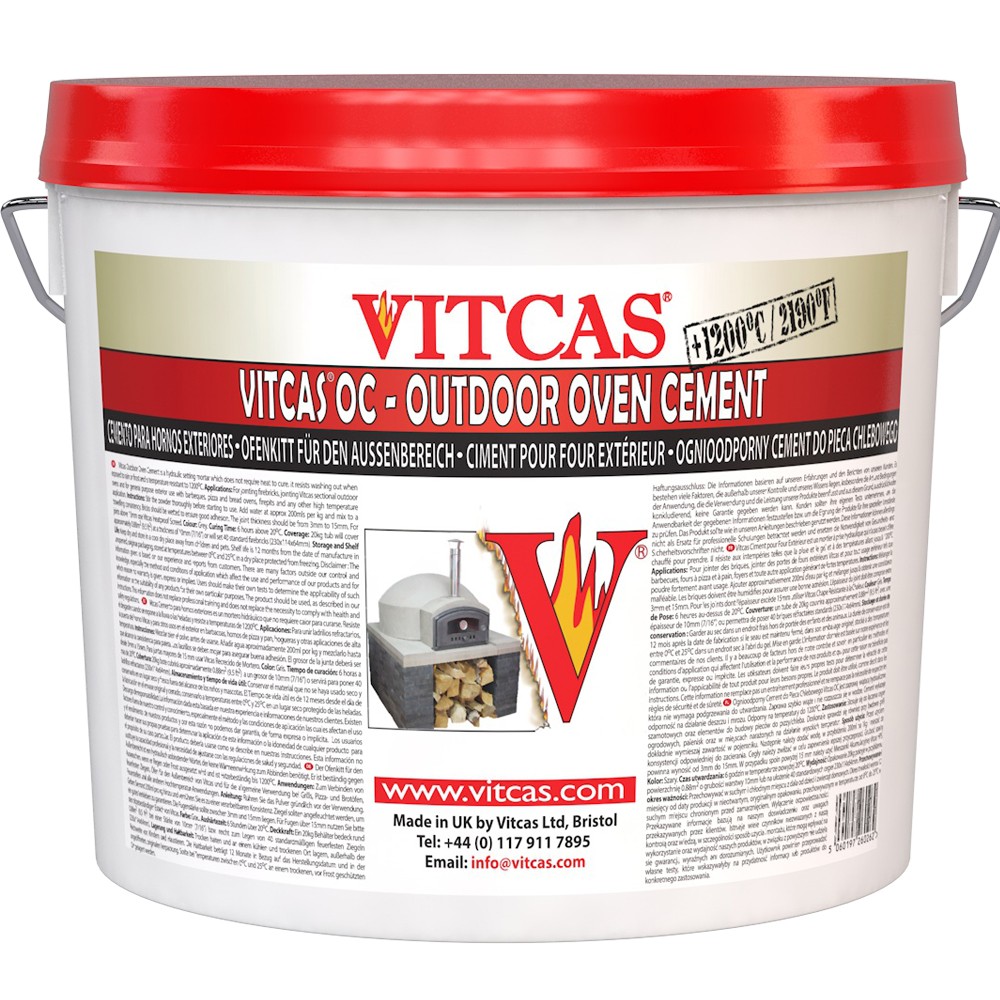
List mortars, cast sections and exterior coatings with their installation dates. Outdoor Oven Cement sets hydraulically and needs no fire to achieve that setting. The newly built oven still needs appropriate drying before it is fired for cooking.
Heatproof Screed has its own curing and drying requirements. One product's instructions do not provide a universal schedule for the dome, base and every joint. Include instructions for any prefabricated components used in the design.
Remove moisture gradually
Check whether rain has introduced further moisture before initial heating. Sheltered areas and thicker sections can dry more slowly. A dry-looking outside face does not establish the condition throughout the assembly.
Follow the manufacturer or design procedure. Rapid heating of wet refractory can cause steam-related damage. Choose the timing and heating method for the materials and thicknesses installed, rather than rushing to meet an outdoor gathering date.
Keep a simple commissioning record
- Record the dates and conditions of successive drying stages.
- Note new cracks, moisture signs and surface changes.
- Inspect the entrance, connections and visible enclosure sections.
If material detaches, components move noticeably or another concern appears, stop increasing the firing duty and investigate. Keep the record after commissioning. At the next inspection, it provides a reference for comparing the oven with its condition during the first heating stages.